About us
The People Behind NorthStar
NorthStar began in January 2026 with two co-founders and one idea: helping teenagers build practical money skills through stories and games.
From the start, social impact has been at the heart of our work. Along the way, people who shared our belief in this mission joined us, contributing their time, skills and ideas as volunteers. Today, a dedicated team and advisory board help us bring NorthStar to life—turning a shared idea into something we build together.
Meet the founders ↓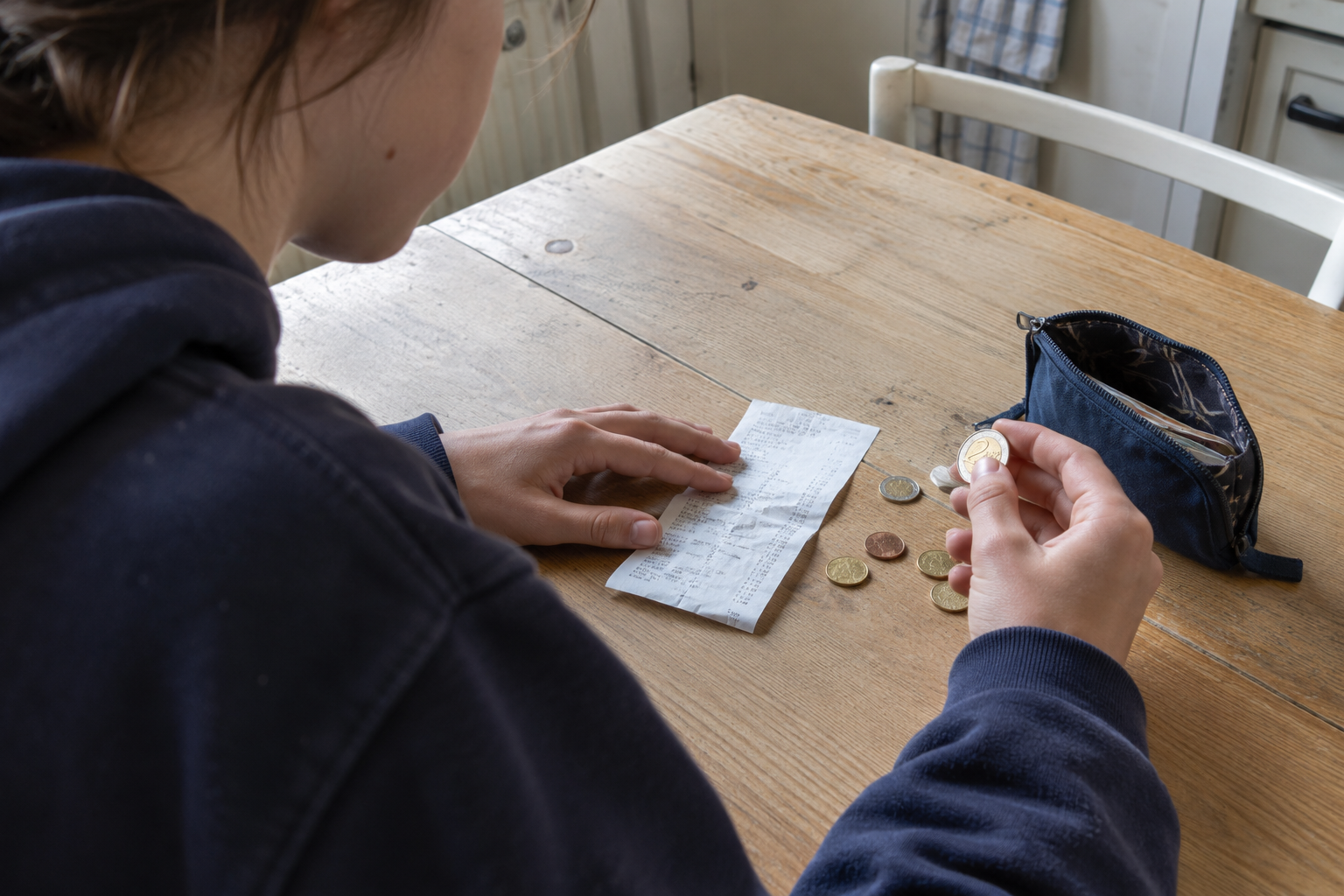
Our Story
When I moved to Europe, I thought learning the language would be one of my biggest challenges. But there was another language I had to learn: the language of money.
I was in a new country without financial support, making money decisions every day. How could I manage what I had, maintain a social life and avoid debt? How could I handle the stress when money was running low?
A few years earlier, I had worked with young people under 18. I had seen their curiosity, energy and willingness to learn when given the right opportunity. Eventually, these two experiences came together.
Masoud and I started asking ourselves: what if teenagers could learn to navigate money before facing these decisions alone?
That question became NorthStar. Today, we are building a way for teenagers to learn about money through real-life decisions, stories and games.
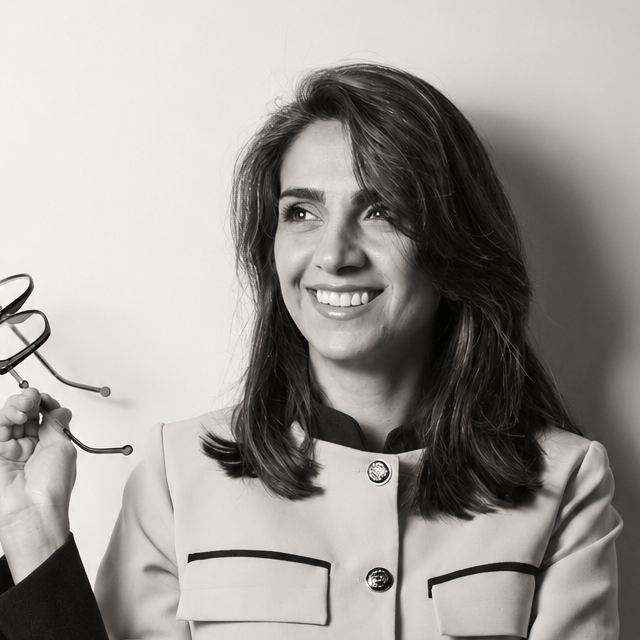
Ladan Afshari, Co-founder

Help us build the next generation of financial confidence
Whether you represent a school, a municipality, a foundation, or a company that cares. We'd love to hear from you.